Sigmix is a software tool that can
- Simulates the macroscopic traffic flow (engined with Cell Transmission Model (CTM)
- Optimises the traffic signal with [total travel time] or [delay] minimised.
It can be applied in urban junction/arterial/network.
It is…
- Easy to operate Graphical User Interface (GUI)… As easy as you can imagine
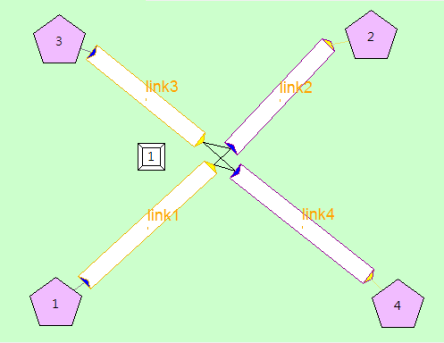
- Aided with movement compatibility tool. Provides with
- Compatibility checking,
- intergreen setting,
- stage setting suggestion.
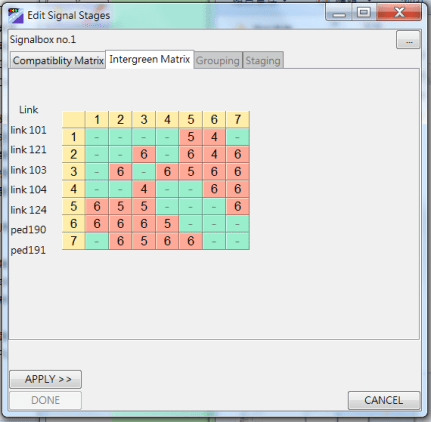
- armed with universal model that can deal with both congested and uncongested scenario.
- equipped with objective function according to user needs…to minimise ‘Total Travel Time’ or to minimise’Delay’

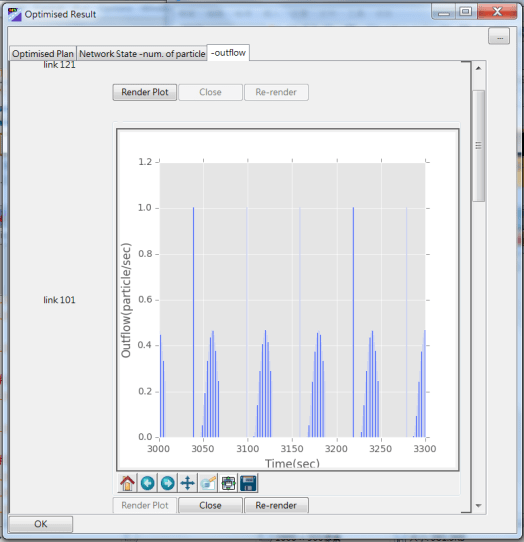
- Equipped with dialogue to see the [number of vehicles] or [outflow] by time
- capable of finding optimised signal plan

It’s main physical simulator is: Cell Transmission Model (CTM) that keeps the traffic moving. It’s optimisation technique is Genetic Algorithms (GA) that mimics the mother nature of evolution to find the best traffic signal you need!
The charge-free edition ($ 0.00) is the ‘Citizen’ edition that provides partial functions:
Try it out here:Downloads

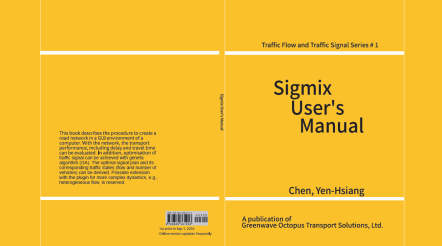


 Greenwave Octopus